
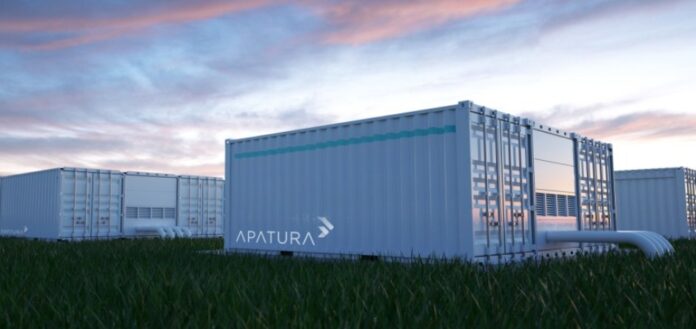
China’s largest solar manufacturers are rapidly expanding their battery energy storage businesses as slowing photovoltaic (PV) demand, weaker exports, and declining panel prices pressure profitability across the solar industry. Companies including JinkoSolar, JA Solar, LONGi Green Energy, and Trina Solar are investing heavily in battery production and integrated solar-plus-storage solutions to capture higher-margin growth opportunities, Reuters news report said.
The shift comes as global solar demand growth is expected to slow in 2026. According to Ember, China’s solar panel exports increased only 4.7 percent in 2025, marking the slowest annual growth rate since 2018. Market analysts also expect export growth between May and December 2026 to be weaker than during the first four months of the year.
Solar PV market
China remains the world’s largest solar PV market. According to the National Energy Administration (NEA), China added a record 277 GW of new solar capacity in 2024, increasing cumulative installed solar capacity to approximately 887 GW.
The China Photovoltaic Industry Association (CPIA), IEA, Wood Mackenzie, and BloombergNEF expect China to maintain its leadership position through 2030, with cumulative solar capacity projected to exceed 1.5 TW before the end of the decade
Energy storage market
The global energy storage market is expected to exceed 1 terawatt-hour (TWh) of annual deployments by 2030, compared with less than 300 gigawatt-hours (GWh) deployed in 2025. BloombergNEF estimates cumulative global energy storage installations could surpass 2 TWh by 2030, driven primarily by utility-scale projects.
JinkoSolar
JinkoSolar is significantly increasing its presence in energy storage. The company plans to nearly triple battery manufacturing capacity from 5 GWh to between 13 GWh and 14 GWh by the end of 2026. The investment reflects growing demand for battery systems that help stabilize renewable energy generation and address the intermittency challenges associated with solar and wind power.
JA Solar
JA Solar is also accelerating its storage strategy. At the SNEC solar exhibition, which attracted more than 500,000 attendees, energy storage products became the focal point of the company’s display, highlighting a strategic transition beyond traditional solar modules. The company believes energy storage offers stronger margins and better long-term growth prospects than solar panels alone.
Trina Solar
Trina Solar described energy storage as the industry’s “second growth curve” after photovoltaics. The company revealed that its energy storage shipments during the first quarter of 2026 increased by more than four times compared with the same period a year earlier. Approximately 90 percent of those shipments were exported to international markets, underlining strong overseas demand for storage technologies.
LONGi Green Energy
LONGi Green Energy is promoting integrated solar-plus-storage solutions, dedicating a giant curved LED display across much of its exhibition space to showcase its energy storage strategy. Industry experts increasingly view integrated renewable energy systems as the preferred procurement model for customers seeking long-term energy infrastructure investments.
Battery export growth is expected to substantially outperform solar panels. According to Rystad Energy, China’s battery exports for energy storage applications are forecast to rise 30 percent to 150 GWh in 2026. Demand is being driven by countries with high renewable energy penetration, including Japan, Vietnam, India, Germany, the Netherlands, the United States, and Australia, which ranked among the largest importers of Chinese batteries in 2025.
Chinese solar companies are entering a market currently dominated by battery giants CATL and BYD. However, solar manufacturers believe their renewable energy expertise and ability to deliver integrated solar-and-storage solutions provide a competitive advantage.
CATL expects energy storage to contribute 50 percent of its global sales by 2030, compared with approximately 25 percent today, highlighting the rapid expansion potential of the sector.
Market research firms estimate the global battery energy storage market could reach between $120 billion and $150 billion annually by 2030, supported by falling battery costs, government incentives, grid modernization programs, and accelerating investments in renewable energy infrastructure worldwide.
Industry analysts expect the convergence of solar generation and battery storage to reshape the renewable energy market over the next two years, creating new growth opportunities for China’s leading solar manufacturers as they diversify beyond traditional PV products.
BABURAJAN KIZHAKEDATH
