
Dutch biomethane project EemsGas has secured a major financial boost after receiving an SDE++ operating subsidy worth €149.8 million from the Netherlands Enterprise Agency (RVO), strengthening the country’s push toward renewable energy and energy independence.
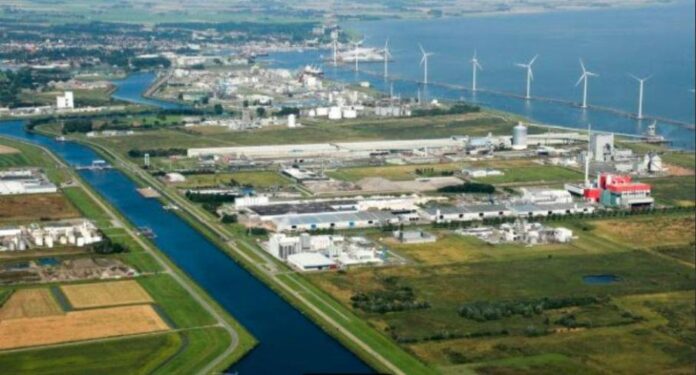
The EemsGas project, backed by a €100 million investment, is set to become one of the largest biomethane production facilities in the Netherlands. The plant will be developed at the Chemical Park in Delfzijl through a 50/50 joint venture between Perpetual Next and Gasunie.
The newly awarded SDE++ subsidy provides long-term income certainty for the project over a fifteen-year period from July 1, 2029 to June 30, 2044. The subsidy mechanism guarantees a minimum income level by compensating for fluctuations in gas market prices, effectively acting as a price safety net for biomethane production.
Earlier, EemsGas had already secured a €30 million DEI+ investment subsidy aimed at supporting the construction of the green gas facility. Together, the subsidies highlight strong Dutch government backing for renewable gas infrastructure and the country’s broader decarbonization strategy.
The EemsGas plant will use advanced gasification technology developed in partnership with TNO to convert waste wood into biomethane, also known as green gas. Once operational, the facility is expected to produce 18 million cubic meters of green gas annually, significantly exceeding the output levels of traditional biomethane facilities.
Rene Buwalda, CEO of Perpetual Next, said the government support demonstrates the strategic importance of renewable gas for the Netherlands’ energy transition and industrial competitiveness. He added that the project will strengthen national energy independence while addressing rising global demand for biomethane and sustainable fuels.
Hans Coenen, COO of Gasunie, emphasized the role of gasification technology in producing renewable fuels and ensuring long-term energy security. According to him, sustainable molecules such as biomethane will play a critical role in maintaining reliable energy supply across Europe.
Construction of the EemsGas plant is expected to begin in 2027, with commercial operations scheduled for 2029.
Perpetual Next focuses on converting organic waste streams into renewable raw materials such as biomethanol, a sustainable alternative to fossil-based methanol. The company is expanding production capacity across the Netherlands, Estonia, and the United States as part of its international growth strategy.
Gasunie operates more than 15,000 kilometers of high-pressure gas pipelines across the Netherlands and northern Germany. The state-owned company is increasingly investing in future-focused energy infrastructure including hydrogen, biomethane, CO2 transport, and heat networks to support Europe’s clean energy transition.
