
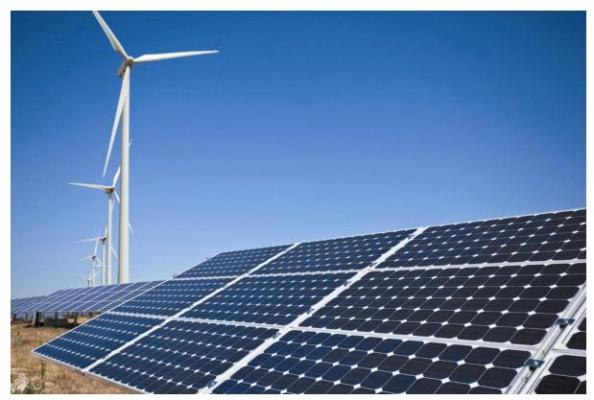
Solar and wind energy combined with battery storage can provide reliable round-the-clock electricity at lower costs than fossil fuel power plants in many global markets, according to International Renewable Energy Agency (IRENA).
According to the IRENA report, firm levelised costs of electricity for solar-plus-storage projects currently range between $54 and $82 per megawatt-hour (MWh) in regions with strong solar resources. This compares with $70-$85 per MWh for new coal-fired power plants in China and more than $100 per MWh for new gas-fired generation globally.
Renewable hybrid systems are attractive for industries requiring uninterrupted electricity supply, including artificial intelligence infrastructure and data centres. These systems also support clean fuel production for hard-to-abate industrial sectors that depend on high operating utilisation rates.
Francesco La Camera said the traditional argument that renewable energy lacks reliability no longer applies, as advances in battery technology and falling storage costs are transforming the economics of the energy sector. He added that renewable systems provide not only cost advantages but also strategic benefits related to energy security and resilience against geopolitical disruptions.
Since 2010, total installed costs have declined by 87 percent for solar photovoltaic systems and 55 percent for onshore wind projects. Battery storage costs recorded an even steeper decline of 93 percent during the same period.
The agency also highlighted faster construction timelines for renewable projects, with most solar, wind and storage facilities becoming operational within one to two years after permits and grid connections are secured. This is significantly faster than the development timelines for new gas-fired power projects in many countries.
Solar-plus-battery firm electricity costs have fallen from above $100 per MWh in 2020 to approximately $54-$82 per MWh in 2025 across high-irradiance regions and strong wind corridors. IRENA projects additional cost reductions of around 30 percent by 2030 and about 40 percent by 2035, potentially reducing costs below $50 per MWh at the most efficient project sites.
The Al Dhafra Solar Project in the United Arab Emirates was cited as a leading example, delivering 1 gigawatt of firm clean electricity at around $70 per MWh through a combination of solar PV and battery storage.
Firm wind-plus-storage systems are also becoming more competitive. IRENA estimates for 2025 show costs ranging from around $59 per MWh in Inner Mongolia to approximately $88-$94 per MWh in markets including Brazil, Germany and Australia. These costs are expected to decline further to around $49-$75 per MWh by 2030.
The report added that combining wind and solar power can further reduce storage requirements and lower overall system costs by leveraging complementary electricity generation patterns across different times of the day and seasons.
