
China accelerated its energy transition in 2025, with clean electricity accounting for 42 percent of total generation, as rapid renewable expansion began displacing fossil fuels, according to Ember. This shift marks a structural transformation in the world’s largest power market.
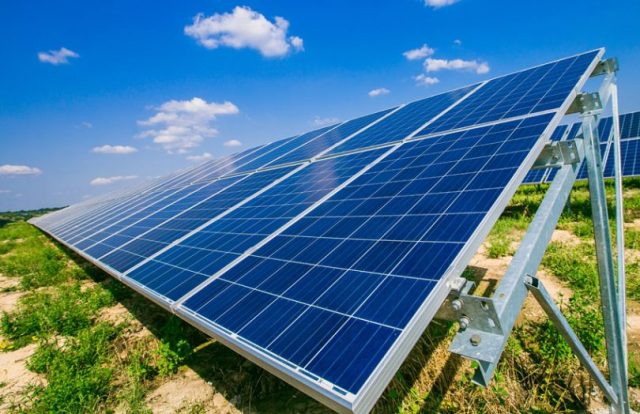
Hydropower remained the largest clean energy source, contributing 13 percent, while solar and wind together reached 22 percent, exceeding global and regional averages. Solar led the growth, generating 336 TWh in 2025, a 40 percent increase year on year, reinforcing its role as the primary driver of China’s clean energy expansion.
A major milestone was the decline in coal generation, which fell by 71 TWh, the first reduction since 2015. Overall fossil fuel generation dropped by 56 TWh, bringing its share down to 58 percent, compared to around 62 percent in 2024. This contributed to a decline in power sector emissions, signaling a turning point in China’s energy trajectory.
The rapid scale-up of renewables, combined with electrification across transport, industry, and buildings, is reshaping China’s industrial model. Current trends indicate the country could reach peak fossil fuel consumption before 2030, with the potential for sustained declines thereafter.
China’s progress also has global implications. As the largest builder of clean energy capacity, its transition is influencing global supply chains, technology costs, and the pace of decarbonization worldwide. The integration of renewable energy into its industrial economy highlights a shift toward a cleaner growth model.
At the same time, challenges remain in addressing emissions from coal production. As the largest emitter of coal mine methane globally, scaling mitigation efforts and strengthening carbon market mechanisms will be critical to reducing overall emissions.
BABURAJAN KIZHAKEDATH
