
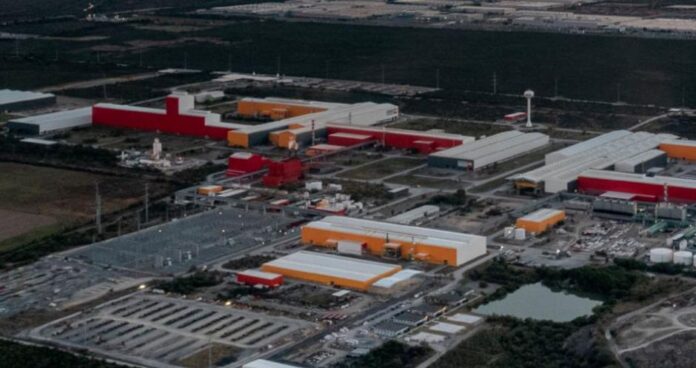
Ternium is accelerating its transition toward low-carbon steel production through renewable energy, decarbonization, environmental investments, and green finance, according to its 2025 Sustainability Report.
Led by CEO Maximo Vedoya and Global Sustainability Senior Director Jose Fonrouge, the company expanded clean energy generation, strengthened emissions reporting, increased sustainability investments, and significantly boosted education and community programs during 2025.
Climate action remained at the core of Ternium’s sustainability strategy. The company incorporated Usiminas into its corporate greenhouse gas inventory and established 2024 as the baseline year for future environmental performance.
Ternium has committed to reducing carbon dioxide equivalent emissions intensity by 15 percent per ton of hot-rolled steel equivalent by 2030, covering Scope 1, Scope 2, and selected Scope 3 emissions (Categories 1 and 10) across all steel mills through the hot-rolling stage. Supporting this target, the company’s Direct Reduced Iron (DRI) facilities capture approximately 280,000 tons of carbon dioxide annually, redirecting the captured CO₂ for secondary industrial applications instead of releasing it into the atmosphere.
Renewable energy continued to play a central role in reducing the company’s carbon footprint. Ternium’s Vientos de Olavarría wind farm in Argentina completed its first full year of operation, generating 434 GWh of renewable electricity during 2025. Developed through a USD 225 million investment, the project includes 22 wind turbines with a combined installed capacity of 99 MW, Ternium Sustainability Report 2025 indicated.
The wind farm now supplies enough renewable electricity to replace approximately 90 percent of the grid electricity previously purchased for Ternium Argentina’s operations while preventing about 111,000 tons of carbon dioxide emissions annually. In Brazil, renewable electricity also expanded, with solar energy and other renewable sources accounting for approximately 20 percent of the purchased electricity mix at the Ipatinga facility.
Ternium continued investing heavily in cleaner manufacturing. During 2025, the company allocated USD 93 million to environmental protection and energy efficiency projects focused on reducing greenhouse gas emissions, improving energy performance, optimizing production processes, and strengthening sustainable resource management. These investments support modernization initiatives that improve operational efficiency while lowering the environmental impact of steel production.
Workplace safety remained another sustainability priority. Ternium invested USD 102 million in health and safety initiatives, deploying advanced technologies including video analytics, drone-based inspections, remote maintenance systems, and virtual reality training. These technologies help reduce employee exposure to hazardous environments while improving emergency preparedness and operational safety across manufacturing facilities.
Community investment expanded significantly during the reporting period. Ternium increased funding for social programs to USD 51 million, compared with USD 12 million in the previous year. More than 15,500 people benefited from educational initiatives supported by the Roberto Rocca Technical School network.
In Brazil, the Roberto Rocca Technical School in Santa Cruz completed its first academic year with 192 students enrolled in Mechatronics and Electromechanics programs. In Mexico, the Pesquería campus launched a new middle school with 128 students while continuing to educate 474 students in its technical high school, achieving a 95 percent curriculum completion rate. The Roberto Rocca Scholarship Program also awarded more than 1,300 scholarships, expanding access to technical education and workforce development.
Ternium strengthened its sustainable manufacturing strategy through green finance and internationally recognized environmental management. The company’s principal production facilities continue to maintain ISO 14001 environmental management certification. Meanwhile, the new steel shop under construction in Pesquería is designed to produce 2.6 million tons of steel annually with lower emissions intensity. The project’s Green Financing Framework received a “Medium Green” rating from S&P, recognizing its contribution to environmentally sustainable industrial development.
Ternium’s 2025 Sustainability Report highlights measurable progress through a 15 percent emissions intensity reduction target by 2030, 280,000 tons of annual carbon capture, 434 GWh of renewable electricity generation, USD 225 million invested in wind energy, USD 93 million for environmental initiatives, USD 102 million for workplace safety, and USD 51 million for community development. Together, these investments reinforce the company’s commitment to advancing renewable energy, cleaner steel production, responsible manufacturing, and long-term sustainability.
SHAFANA FAZAL
