
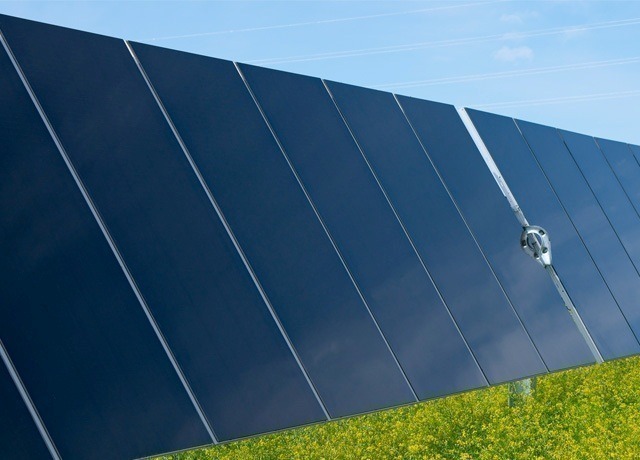
Africa’s renewable energy sector is accelerating with new utility-scale solar projects, microgrids, battery storage systems, off-grid installations, and industrial power purchase agreements (PPAs) that are strengthening energy security, supporting agriculture, mining, healthcare, and rural electrification. Major developments across Egypt, South Africa, Nigeria, and Somalia highlight how governments and private companies are expanding clean energy infrastructure to reduce fossil fuel dependence, lower carbon emissions, and improve reliable electricity access.
Egypt is advancing one of the continent’s largest renewable energy initiatives through the GoGreen 951.376 MW solar project, which will supply clean electricity to the country’s expanding agricultural sector. The project is designed to improve energy reliability for irrigation systems, farming operations, and rural communities while reducing dependence on conventional energy sources. Besides lowering greenhouse gas emissions, the large-scale solar investment is expected to strengthen energy security, attract private investment, enhance food security, and improve climate resilience through sustainable agricultural development.
Nigeria is also expanding renewable energy partnerships. Bauchi State Governor Bala Mohammed is exploring cooperation with Tunisia to deploy solar-powered infrastructure and sustainable water management solutions. The collaboration aims to improve electricity access, expand clean water availability, support agricultural productivity, reduce fossil fuel consumption, strengthen climate resilience, and improve rural livelihoods through integrated renewable energy systems.
In Nigeria’s healthcare sector, engineering company JMG has demonstrated the financial benefits of hybrid renewable energy. A hybrid solar installation at a hospital in Abuja has reduced electricity costs by approximately N14 million within four months while ensuring uninterrupted power for critical medical equipment and hospital operations. By combining solar generation with backup power, the project reduces reliance on diesel generators and the national grid while lowering fuel costs and carbon emissions.
Somalia has launched a World Bank-supported solar electrification initiative to provide reliable renewable electricity to schools and healthcare facilities in underserved communities. The project replaces expensive diesel-powered electricity with solar energy, improving access to education, healthcare services, and essential public infrastructure while lowering operating costs and greenhouse gas emissions. The initiative supports Somalia’s long-term development by expanding clean energy access and strengthening resilience in remote regions.
South Africa continues to diversify its renewable energy portfolio through multiple projects. The country has introduced new solar-powered microgrids to improve electricity access in rural communities where extending the national grid is uneconomical. The decentralized systems improve energy security, reduce dependence on fossil fuels, increase electricity availability for households and community facilities, and support the country’s broader clean energy transition.
Mining companies are also increasing renewable energy adoption. Exxaro has commenced commercial operations at its Lephalale solar plant, supplying renewable electricity for mining operations while reducing reliance on conventional grid power, lowering greenhouse gas emissions, improving operational efficiency, and supporting the company’s decarbonization strategy.
Renewable energy is also delivering social benefits. The United Cerebral Palsy Association in South Africa has received a donated solar energy system that ensures uninterrupted electricity for lighting, medical equipment, and essential care services despite frequent power outages. The installation improves service reliability, lowers electricity expenses, and strengthens support for vulnerable communities.
South Africa’s agricultural sector is embracing large-scale renewable energy as well. A commercial farm has achieved energy independence through the installation of a 4.89 MWp solar photovoltaic system integrated with a 20 MWh battery energy storage system. The project enables continuous electricity supply by storing excess solar generation, reducing dependence on the national grid, lowering operating costs, decreasing carbon emissions, and improving long-term business resilience.
Critical infrastructure operators are also increasing renewable energy investments. South African airports are expanding solar installations to reduce reliance on Eskom’s electricity supply, improve operational reliability during grid disruptions, lower electricity costs, and support national sustainability objectives through cleaner power generation.
Industrial renewable energy procurement is gaining momentum as well. Renewable energy developer NOA has signed a long-term agreement to supply approximately 288 GWh of renewable electricity annually to a platinum mining operation. The agreement supports mining sector decarbonization, improves long-term electricity price stability, enhances supply reliability, reduces greenhouse gas emissions, and demonstrates the growing role of renewable PPAs in strengthening South Africa’s industrial competitiveness and clean energy transition.
SHAFANA FAZAL
