
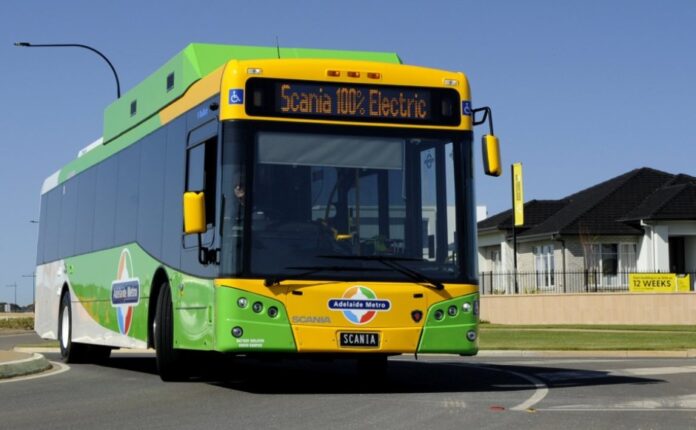
Scania and VR Group have signed one of Sweden’s largest battery-electric bus agreements, with VR Sweden ordering 91 electric buses for operations in Sodertalje and Nykvarn. The large-scale electrification project will begin commercial service in June 2027, supporting Sweden’s transition toward fossil-free public transport.
The agreement follows VR Sweden’s successful contract win in 2025 from Stockholm’s public transport authority SL to manage bus operations in Sodertalje and Nykvarn. The investment significantly strengthens the region’s sustainable mobility strategy by introducing modern zero-emission buses designed specifically for urban transport operations.
Under the deal, Scania will deliver 91 battery-electric buses based on its Fencer f1 BEV platform. The order includes 32 buses with a 4×2 configuration and 59 buses with a 6×2*4 configuration. All vehicles will feature 445 kWh installed battery capacity, enabling efficient and reliable electric public transport services.
The agreement marks Scania Sweden’s largest single delivery of battery-electric vehicles to date. The buses are developed and produced in Europe, while both battery assembly and key development operations are based in Sodertalje, reinforcing the company’s local manufacturing and engineering footprint.
VR Sweden said the investment is part of its long-term strategy to accelerate electrification, reduce emissions, and improve operational reliability across public transportation networks. The electric buses are expected to lower local carbon emissions, reduce noise pollution, and create a more sustainable urban transport environment for residents and commuters.
According to Anders Frykman, Bus Director at VR Sweden, the project will support the transition toward electrified public transport while ensuring reliable passenger services and improved working conditions for drivers and maintenance teams.
Scania highlighted that the collaboration extends beyond vehicle supply and includes development, planning, vehicle servicing, and long-term operational support. Christopher Svensson, Key Account Manager at Scania Sweden, said close cooperation throughout the project will help deliver a robust and sustainable transport solution.
The electric bus deployment aligns with Scania’s broader strategy to strengthen its role in the global shift toward sustainable transportation. Battery-electric buses remain a key growth area for the company as cities and transport operators across Europe increase investments in zero-emission mobility infrastructure.
The Sodertalje project also reflects the growing momentum behind electric public transport adoption in Sweden, where municipalities and transport authorities continue investing in clean mobility technologies to meet climate targets and improve urban air quality.
BABURAJAN KIZHAKEDATH
