
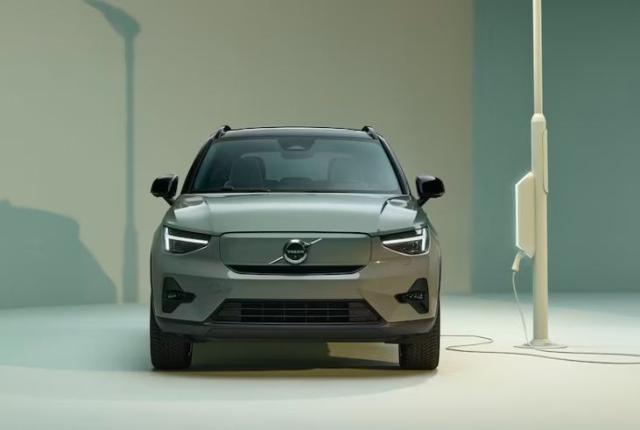
Volvo Cars highlighted strong momentum in its electrification strategy, revealing that electrified vehicles accounted for 46 percent of total company sales, underscoring the growing importance of electric mobility in the premium automotive sector.
The company said fully electric vehicles represented 26 percent of total sales during the reported period, reflecting accelerating adoption of battery electric vehicles across key global markets. Volvo Cars noted that electrification remains central to its long-term transformation strategy, sustainability framework, software-defined vehicle development, and future profitability ambitions.
Volvo Cars stated that it aims for between 90 percent and 100 percent of total sales by 2030 to come from electrified vehicles, including both fully electric vehicles and plug-in hybrid models. The company added that 0 percent to 10 percent of future sales may still come from mild hybrid vehicles depending on infrastructure readiness, customer adoption, and regional market conditions.
The automaker also reiterated its interim ambition for electrified vehicles to account for between 50 percent and 60 percent of total sales by 2025 as it continues expanding production and customer adoption of electric vehicles.
Volvo Cars reported global retail deliveries of approximately 710,000 vehicles, with electrified models contributing nearly half of total sales volumes. The company emphasized that EV demand is increasingly influencing manufacturing priorities, battery sourcing, software investments, digital vehicle architecture, and sustainability initiatives throughout its operations.
The company said electrification contributed significantly to a 31 percent reduction in CO2 emissions per car compared with the 2018 baseline, allowing Volvo Cars to achieve its previously established 2025 emissions reduction target range.
Volvo Cars disclosed that it has already launched five fully electric vehicles and currently has another five fully electric models under development as part of its long-term EV expansion roadmap.
The company also highlighted strong market performance for the Volvo EX30, stating that the model became the third best-selling electric vehicle in Europe during the reported period, supporting Volvo Cars’ ambitions to strengthen its position in the premium EV segment.
Management said continued investment in battery electric vehicle platforms, charging ecosystem partnerships, software-defined vehicle technologies, connected mobility solutions, and renewable energy integration remains critical for long-term competitiveness.
Volvo Cars emphasized that broader EV adoption will continue to depend on charging infrastructure deployment, renewable energy availability, supportive regulatory frameworks, government incentives, and consumer affordability across global markets.
The company reiterated its long-term ambition to achieve net-zero greenhouse gas emissions by 2040 as electrification becomes a core pillar of Volvo Cars’ global sustainability and business strategy.
BABURAJAN KIZHAKEDATH
