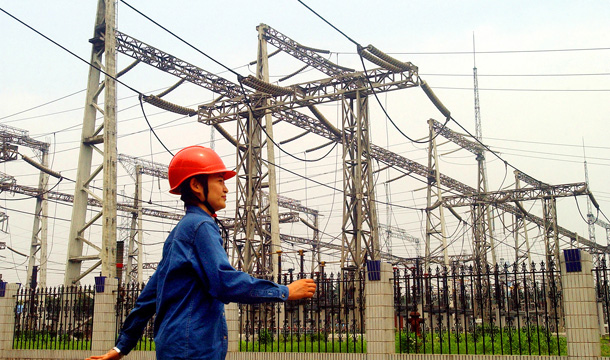
Grid connection delays are emerging as a major challenge for renewable energy investment, with more than 2,500 GW of generation, energy storage and large electricity-consuming projects waiting in connection queues worldwide.
The International Energy Agency (IEA) estimates that annual electricity grid investment must increase by approximately 50 percent from the current $400 billion by 2030.
Solar and wind projects can typically be developed within one to five years, while major transmission infrastructure may require five to 15 years.
The IEA Electricity 2026 grid assessment highlights the growing mismatch between renewable generation development and transmission infrastructure.
The 2,500 GW figure includes proposed renewable generation, storage and major electricity-consuming facilities, not exclusively completed renewable power plants.
US Grid Connection Queue Reaches 1,312 GW of Generation
The United States had approximately 8,200 active projects seeking electricity grid connections at the end of 2025.
These projects represented 1,312 GW of generation capacity and approximately 749 GW of energy storage, according to Lawrence Berkeley National Laboratory.
Only 13 percent of generation capacity entering US interconnection queues between 2000 and 2020 had reached commercial operation by the end of 2025.
Approximately 75 percent had withdrawn, while 10 percent remained active.
For projects completed in 2025, the median period between interconnection requests and commercial operation exceeded five years in regions with available data.
The Lawrence Berkeley National Laboratory Queued Up 2026 study demonstrates how transmission constraints, permitting and project economics affect renewable development.
India Faces 20 GW Renewable Energy Connectivity Delays
India’s rapid solar and wind expansion is creating pressure on transmission infrastructure, particularly in Gujarat and Rajasthan.
Energy research organisation Ember estimates that transmission constraints caused approximately 300 GWh of renewable electricity curtailment during January–March 2026.
This represented nearly two-thirds of the 470 GWh of total curtailment across the inter-state projects examined.
Ember also estimates that approximately 20 GW of renewable projects could face grid connectivity delays exceeding four months during FY2026–27.
India achieved around 80 percent of annual transmission development targets over the preceding five years, while approximately one-quarter of major inter-state transmission schemes experienced delays of at least one year.
The Ember analysis of India’s renewable transmission constraints identifies grid readiness as an increasingly important factor in renewable project financing and commissioning.
India Plans Major Transmission Expansion by 2032
India’s National Electricity Plan envisages expanding transmission lines from 5.09 lakh circuit-kilometres in June 2026 to 6.48 lakh circuit-kilometres by 2032.
Transformation capacity is expected to increase from 1,478 GVA to 2,345 GVA.
Interregional electricity transfer capacity is targeted to rise from 120 GW to 168 GW.
The Green Energy Corridor Phase III programme has an approved outlay of ₹1,86,405 crore, including ₹1,36,378 crore for intrastate transmission and ₹50,000 crore for 50 GWh of battery storage.
The programme is designed to support the evacuation of up to 135 GW of renewable electricity by FY2032–33.
The government’s Green Energy Corridor Phase III announcement details the proposed infrastructure investment and central financial support.
Major Transmission Projects Supporting Renewable Energy
Several major electricity transmission projects illustrate the investment required to reduce renewable energy connection delays.
Bhadla II–Sikar II, India: The 765 kV transmission line was commissioned in January 2026. The 628 circuit-kilometre project adds approximately 1,100 MW of evacuation capacity for renewable energy complexes in Rajasthan.
Khavda–Nagpur HVDC, India: Power Grid Corporation of India is developing long-distance transmission infrastructure to transport renewable electricity from Gujarat to major demand centres. The project has attracted international financing support.
Barmer–South Kalamb HVDC, India: GE Vernova was selected to deliver equipment for a 6 GW, 800 kV HVDC transmission corridor connecting Rajasthan’s renewable energy resources with South Kalamb.
Hami–Chongqing UHVDC, China: The ±800 kV, 2,260-kilometre transmission link entered operation in June 2025. It is supported by 14.2 GW of generation capacity, including 10.2 GW of renewable energy, and is expected to deliver more than 36 TWh annually.
Eastern Green Link 3, United Kingdom: National Grid awarded contracts worth nearly £3 billion in March 2026 for a 690-kilometre high-voltage transmission connection. Hitachi Energy will supply converter stations and NKT will provide cable systems. Energisation is targeted for 2033, subject to project approvals and construction.
These developments cover different stages of implementation, including commissioned infrastructure, awarded contracts and projects under development.
How Grid Delays Affect Solar Project Revenue
Transmission delays can postpone electricity sales even when solar and wind projects are technically ready to generate power.
Consider a hypothetical 500 MW solar installation operating at a 25 percent capacity factor and selling electricity at ₹2.50 per unit.
| Financial indicator | Illustrative estimate |
| Solar project capacity | 500 MW |
| Annual electricity generation | 1.095 million MWh |
| Annual gross revenue | ₹273.75 crore |
| Six-month revenue deferral | ₹136.88 crore |
| Revenue exposure from 10 percent curtailment | ₹27.38 crore |
The six-month calculation assumes generation is evenly distributed through the year.
These figures represent potential gross revenue exposure, not guaranteed financial losses. Actual results depend on seasonal generation, compensation arrangements, project contracts and electricity dispatch.
Ember estimates that connectivity delays of six to 12 months could reduce renewable project internal rates of return by approximately 100–200 basis points.
Transformers, HVDC Systems and Cables Create Equipment Bottlenecks
Global grid capital expenditure is projected to exceed $650 billion in 2026, according to Rystad Energy’s May 2026 outlook.
Power transformer delivery periods exceed 12 months for many units and 24 months for some large transformers.
Manufacturing constraints can delay transmission projects even after financing and regulatory approvals.
Major suppliers include GE Vernova, Siemens Energy, Hitachi Energy, ABB, Schneider Electric, Mitsubishi Electric, Toshiba Energy Systems and Hyosung Heavy Industries.
These companies manufacture or supply transformers, switchgear, circuit breakers, substations, grid automation and transmission technologies.
Additional Grid Equipment Vendors and Projects in India
India’s transmission expansion is creating opportunities for domestic equipment manufacturers and engineering contractors.
BHEL supplies power generation and transmission-related electrical equipment.
CG Power and Industrial Solutions manufactures transformers, switchgear and industrial electrical systems.
Transformers and Rectifiers India supplies power transformers for utility and industrial applications.
Voltamp Transformers manufactures distribution and power transformers.
Larsen & Toubro executes transmission lines, substations and electrical infrastructure projects.
KEC International participates in domestic and international transmission and distribution engineering projects.
Kalpataru Projects International develops transmission lines and associated infrastructure across multiple markets.
Sterlite Power operates in transmission development and power conductor solutions.
Apar Industries supplies conductors, cables and other products used in electricity infrastructure.
These companies represent different parts of the grid supply chain rather than confirmed suppliers to every project discussed.
Batteries and Grid Technologies Can Reduce Connection Delays
Battery storage can absorb surplus renewable electricity during periods of transmission congestion and discharge power when network capacity becomes available.
Ember estimates that 3–4 GW of two-hour batteries at constrained Indian pooling stations could absorb much of the transmission-related curtailment identified in early 2026.
The organisation also identifies approximately 236 GW of potential battery connection headroom at major pooling stations, although this represents technical potential rather than installed storage.
Other solutions include dynamic line rating, reconductoring, advanced power-flow controls and conditional grid connection agreements.
These technologies can improve utilisation of existing infrastructure, but cannot eliminate the need for new transmission corridors.
Renewable Energy Grid Investment Outlook to 2030
Grid connection delays are becoming an important financial risk for renewable energy developers, electricity utilities and infrastructure investors.
The growing demand for transformers, HVDC converters, cables, substations and battery storage creates opportunities for GE Vernova, Siemens Energy, Hitachi Energy, ABB, L&T, KEC International and other equipment suppliers.
However, project execution depends on equipment availability, right-of-way approvals, financing, transmission construction and commissioning schedules.
Investors should evaluate firm grid connectivity, renewable curtailment, transmission readiness, equipment delivery timelines and contractual compensation before financing new generation capacity.
The commercial success of renewable energy projects will increasingly depend on electricity delivered to the grid rather than generation capacity announced or installed.
SHAFANA FAZAL