
Today’s renewable energy news includes announcements from Eolus, Pienava Wind Farm in Latvia, EIB, Societe, Sand Solar project in Sicily, among others.
Eolus Completes Foundations for 147MW Pienava Wind Farm in Latvia
Eolus has completed foundation construction for the 147MW Pienava wind farm in Latvia, marking a key milestone for the country’s largest onshore wind project. The project, being developed for Latvenergo, will feature 21 Nordex N163/6.X turbines and is scheduled for commissioning in the first half of 2027. The development highlights growing investment in Baltic wind energy and the use of advanced turbine technology to maximise output and efficiency. It also supports local industry, with Latvian companies involved across construction, materials, and engineering services. Strategically, the project will boost renewable capacity, strengthen energy security, and contribute to Latvia’s decarbonisation goals while delivering economic benefits through local job creation and supply chain participation.
EIB, Societe Generale finance 137MW Sand Solar project in Sicily
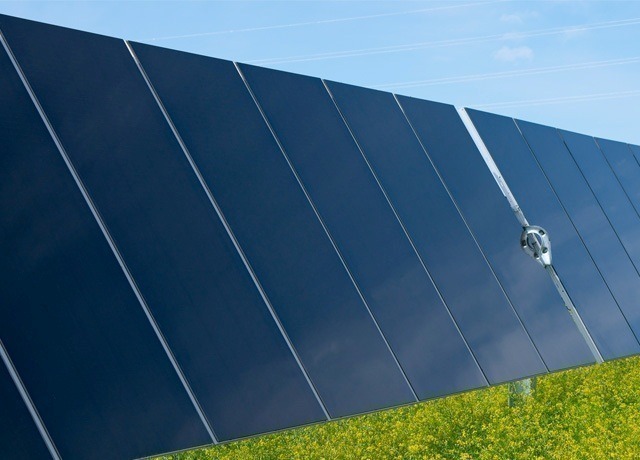
The European Investment Bank (EIB) and Societe Generale have agreed a €153 million financing package for the 137MW Sand Solar project in Sicily, advancing Italy’s renewable energy expansion. Backed by €70 million from the EIB under the REPowerEU initiative and €83.34 million from Societe Generale, the project will be developed by Peridot Solar. Construction is set to begin in April 2026, with commercial operations expected by mid-2027. The solar farm will include a 5km underground connection to a 220kV substation, strengthening grid integration. The project is expected to cut CO₂ emissions while boosting regional development, supporting Italy’s clean energy targets and attracting further private investment into large-scale solar infrastructure.
Germany maintains 2.5GW onshore wind tender volume to support renewable growth
Germany will keep the volume of its upcoming onshore wind tender at 2.5GW, reaffirming its commitment to accelerating renewable energy deployment and meeting climate targets. The decision by the Federal Network Agency (Bundesnetzagentur) ensures continuity and investment stability in the country’s wind energy sector. Maintaining the tender size is expected to sustain strong developer participation and support Germany’s ambitious expansion of onshore wind capacity. The move comes amid ongoing efforts to streamline permitting and grid integration. By preserving auction volumes, Germany aims to strengthen energy security, reduce reliance on fossil fuels, and drive long-term growth in its renewable energy market, supporting the broader energy transition strategy.
FAHEEMA P
