
Renewable energy leaders Eurus Energy, Morgen Energy, and Casa dos Ventos are spearheading landmark clean power initiatives across three continents.
Eurus Energy Commissions 9-MW Solar Park in Chile
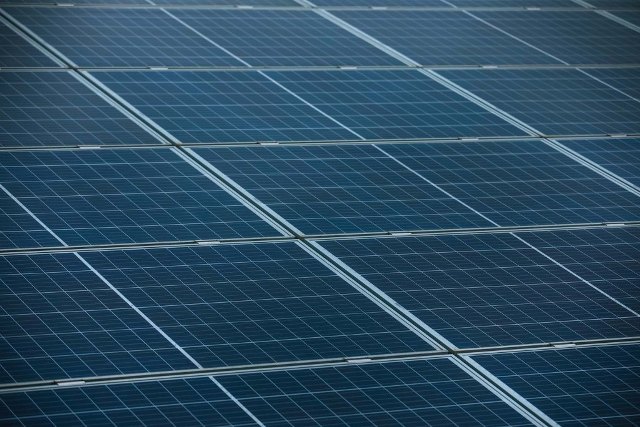
Eurus Energy has completed a 9-MW solar photovoltaic park in Chile’s Antofagasta region, a location renowned for its high solar irradiation. The project uses advanced PV technology optimised for harsh desert conditions, ensuring high efficiency and durability. This initiative supports Chile’s clean energy goals by supplying sustainable electricity, improving grid stability, and cutting carbon emissions. The development also boosts local employment and strengthens regional economic resilience.
Morgen Energy Selects ITM Technology for 20-MW Green Hydrogen Project in UK
In the UK, Morgen Energy has chosen ITM Power’s PEM electrolyser technology for a 20-MW green hydrogen facility. Powered by renewable energy, the project will supply low-carbon hydrogen to industrial partners and transport operators. Designed for scalability and operational flexibility, it aims to reduce CO₂ emissions, enhance energy security, and create green jobs, aligning with the UK’s net-zero emissions strategy.
Casa dos Ventos Partners with Nextracker for 1.5 GW of Solar Projects in Brazil
In Brazil, Casa dos Ventos is deploying 1.5 GW of advanced solar tracker systems from Nextracker across multiple utility-scale projects. These smart trackers use adaptive, terrain-following designs and predictive monitoring to maximise solar output in varied climates. The technology will increase plant productivity, extend asset lifespan, and deliver cost-effective renewable power, significantly contributing to Brazil’s clean energy expansion.
Driving the Global Clean Energy Transition
These three initiatives highlight the global momentum towards sustainable power generation. From high-efficiency solar in Chile to green hydrogen in the UK and smart tracking in Brazil, renewable energy innovation is delivering environmental, economic, and grid-stability benefits. Together, they reinforce the shift toward a low-carbon future and demonstrate how technology partnerships are shaping the next phase of the global energy transition.
Faheema P
