
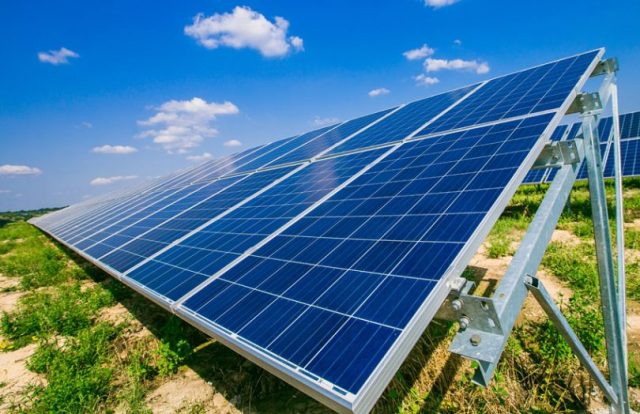
The Union Budget 2026–27, presented by Finance Minister Nirmala Sitharaman on February 1, 2026, placed strong emphasis on bolstering India’s renewable energy sector and accelerating adoption of electric vehicles (EVs). Several key policy measures and budgetary incentives were designed to strengthen clean energy deployment, build resilient EV supply chains, and support the government’s long-term sustainability goals.
1. Higher Allocation for Renewable Energy Programs
The Budget significantly increased support for renewable energy initiatives, particularly solar power.
The Ministry of New and Renewable Energy received an enhanced budget allocation focused on expanding solar capacity and grid integration.
Funding for solar initiatives, including flagship programs like the Prime Minister Surya Ghar (free electricity) scheme, was raised, helping advance clean power access and rooftop solar adoption.
These measures aim to drive the transition toward cleaner electricity generation, improve energy security, and reduce reliance on fossil fuels.
2. Customs Duty Exemptions to Boost Clean Tech Manufacturing
A key part of the Budget’s strategy was cutting import duties on crucial clean energy and EV inputs:
Basic customs duty exemption on capital goods used for manufacturing lithium-ion batteries and battery energy storage systems (BESS) was extended, encouraging domestic production of EV batteries and supporting grid storage.
Exemptions were also announced for sodium antimonate used in solar glass manufacturing, reducing production costs for solar panel components.
Lower duties on these items are expected to reduce input costs, attract investment, and promote local manufacturing ecosystems for both renewable energy and EV supply chains.
3. Strengthening EV Ecosystem and Supply Chains
The Budget introduced several initiatives targeted at electrifying mobility and building a strong EV value chain:
Support for rare earth corridors in Odisha, Kerala, Andhra Pradesh, and Tamil Nadu will anchor mining, research, and processing of critical minerals needed in EV motors and batteries.
Continued duty relief on lithium-ion cells and parts used in EV manufacturing was extended through March 2028 to support long-term ecosystem growth.
In addition to manufacturing support, the Budget also promoted deployment of 4,000 electric buses to accelerate adoption of clean public transport and stimulate demand for EV production.
4. Production Linked Incentive (PLI) for EV and EV Component Manufacturing
To deepen focus on advancing domestic EV production capacity, the Budget increased the PLI allocation for the automobile sector, intended to spur local manufacturing of EVs and components. Investments under this scheme are expected to improve competitiveness and attract new industry players.
5. Focus on Grid-Scale Energy Storage Integration
The Budget’s long-term vision for renewable energy included measures to accelerate grid-scale energy storage:
Incentives for large-scale BESS technologies were adopted to support seamless integration of renewable energy into India’s power grid.
With improved energy storage, renewable generation can be more reliable, paving the way for a resilient electricity ecosystem that can handle variability and support EV charging demand.
6. Broader Policy Signals Supporting Clean Growth
Beyond specific incentives, the Union Budget 2026 sent strong signals about India’s intent to expand its clean energy footprint:
The proposed Carbon Capture, Utilisation and Storage (CCUS) scheme with a Rs 20,000 crore outlay marks India’s commitment to decarbonize hard-to-abate sectors.
Calls from industry bodies highlighted the importance of addressing structural costs, simplifying tax and customs procedures, and enhancing research and development support for EV and clean energy sectors.
Conclusion
The Union Budget 2026 lays down a multi-pronged pathway for renewable energy expansion and electric mobility in India. By increasing budgetary allocations, easing duties on key technologies, promoting domestic manufacturing, and incentivizing grid and EV infrastructure, the government is steering the economy toward cleaner growth. These policy steps could play a crucial role in reducing emissions, boosting sustainable industries, and supporting India’s transition to a greener future.
BABURAJAN KIZHAKEDATH
