


Solar Power Brings Reliable Maternal Healthcare to Burundi
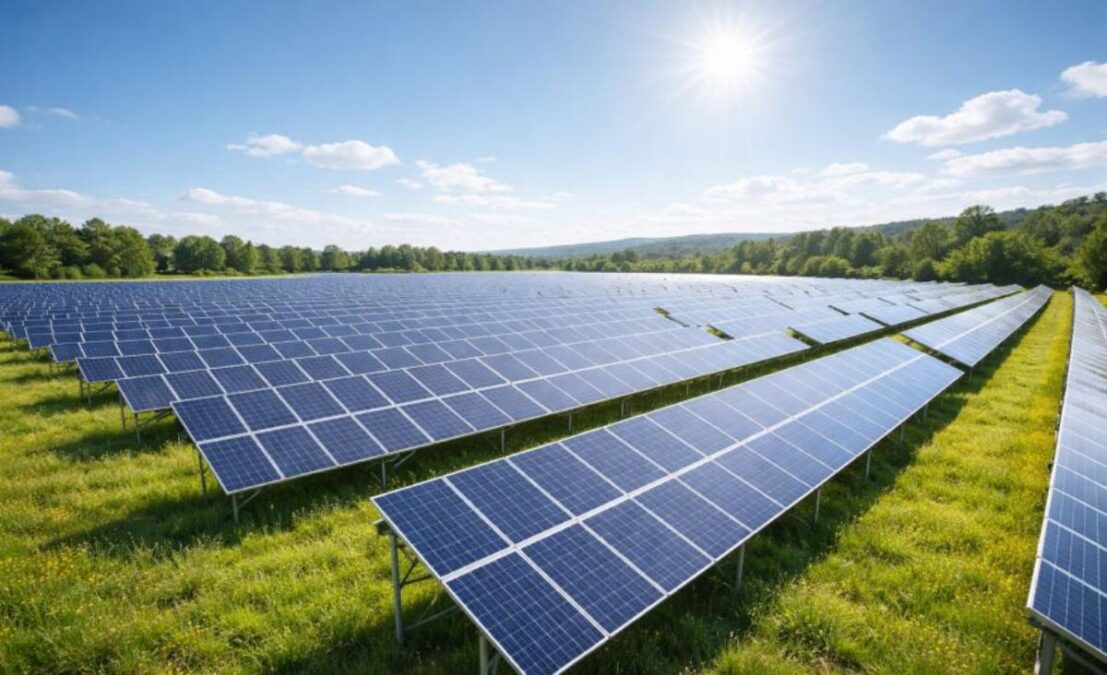
A maternal health unit at Village Health Works Hospital in Burundi is now powered by a resilient solar energy system through Direct Relief’s Power for Health program. The installation provides dependable electricity for maternity services, newborn care, medical equipment, refrigeration, and essential hospital operations, reducing the impact of frequent power outages. Reliable power enables healthcare workers to deliver safer and uninterrupted treatment for mothers and infants while lowering dependence on costly diesel generators. The initiative demonstrates how renewable energy can strengthen healthcare systems, improve patient outcomes, and build climate-resilient medical infrastructure in underserved communities across Africa. Direct Relief’s Power for Health initiative has funded more than 300 solar energy projects at health facilities in over 20 countries. Village Health Works Hospital serves a catchment area of approximately 200,000 people in eastern Burundi.
Egypt’s First Solar Microgrid Set to Revive Abu Zenima Industrial Zone
Karm Holding will develop Egypt’s first independent solar microgrid for the Abu Zenima industrial zone in South Sinai, unlocking an industrial area that has remained largely inactive because of limited electricity access. The renewable energy system is expected to reduce factory energy costs by 30 percent to 60 percent compared with diesel while providing reliable power for manufacturers. The project supports industrial growth, attracts new investments, and demonstrates how decentralized clean energy can stimulate economic development. Once operational, the solar microgrid will position Abu Zenima as Egypt’s first industrial zone powered entirely by an independent solar energy network. The microgrid is expected to reduce industrial energy costs by 30 percent to 60 percent compared with diesel generation. The project is designed to make Abu Zenima the first industrial zone in Egypt powered entirely by an independent renewable microgrid.
Lesotho Launches Education Dashboard to Strengthen Student Learning
UNICEF and the Global Partnership for Education have introduced a national Learning Data Dashboard in Lesotho to improve education planning and student performance. The digital platform consolidates education data, allowing policymakers, schools, and development partners to monitor learning outcomes, identify gaps, and make evidence-based decisions. Better access to reliable information will support resource allocation, strengthen accountability, and improve education quality nationwide. The initiative also enhances collaboration between government institutions and education stakeholders while promoting data-driven reforms that help ensure every child receives better learning opportunities and improved educational support throughout the country. The project is supported by UNICEF and the Global Partnership for Education (GPE). GPE has invested more than US$70 million in Lesotho’s education sector through multiple grants over the years
Nasarawa Partners with CAREC to Expand Solar Power Generation
The Nasarawa State Government in Nigeria has signed a memorandum of understanding with CAREC to advance solar power generation across the state. The partnership aims to increase clean electricity access, attract renewable energy investments, and support industrial and community development through sustainable power infrastructure. Officials expect the collaboration to strengthen energy security, reduce dependence on fossil fuels, create employment opportunities, and improve electricity availability for businesses and households. The agreement reflects Nasarawa’s growing commitment to renewable energy while supporting Nigeria’s broader transition toward cleaner and more reliable power generation systems. Nigeria targets 30 GW of installed electricity capacity by 2030, with 30 percent from renewable energy.
Kumba Signs 63 MW Solar Power Agreement for Sishen Mine
Kumba Iron Ore has signed a power offtake agreement for a 63 MW solar energy project that will supply electricity to its Sishen Mine in South Africa. The renewable energy project will reduce reliance on grid electricity, lower operating costs, and decrease carbon emissions associated with mining operations. The agreement supports Kumba’s decarbonization strategy while improving long-term energy security for one of the country’s largest mining facilities. By integrating renewable power into mining operations, the company demonstrates how industrial sectors can improve sustainability while maintaining reliable energy supplies for large-scale production. The project will supply approximately 20 percent of the Sishen Mine’s electricity demand. It is expected to reduce carbon emissions by around 140,000 tonnes of CO₂ annually.
Volkswagen Powers Kariega Component Plant with Solar Energy
Volkswagen South Africa has installed 1,410 solar panels at its Kariega component plant, significantly increasing the facility’s renewable energy capacity. The solar installation will generate clean electricity for manufacturing operations, reduce dependence on conventional grid power, and lower greenhouse gas emissions. The investment supports Volkswagen’s global sustainability strategy while improving operational efficiency and reducing long-term energy costs. By expanding renewable energy across its production facilities, the company continues advancing environmentally responsible manufacturing practices and contributes to South Africa’s transition toward cleaner industrial energy solutions. The installed capacity is 1.15 MWp. Its annual electricity generation will be 2,580 MWh. The project will achieve annual CO₂ emissions reduction of approximately 2,300 tonnes. It supports Volkswagen Group’s target of achieving net carbon-neutral production by 2050.
SHAFANA FAZAL