


India is emerging as a key beneficiary of Southeast Asia’s accelerating clean energy transition, according to the International Energy Agency’s (IEA) Southeast Asia Energy Outlook 2026. The report highlights how India’s renewable energy success and policy framework are increasingly influencing energy strategies across ASEAN nations while creating new opportunities for Indian companies in solar, wind, battery manufacturing, grid modernization, and electric mobility.
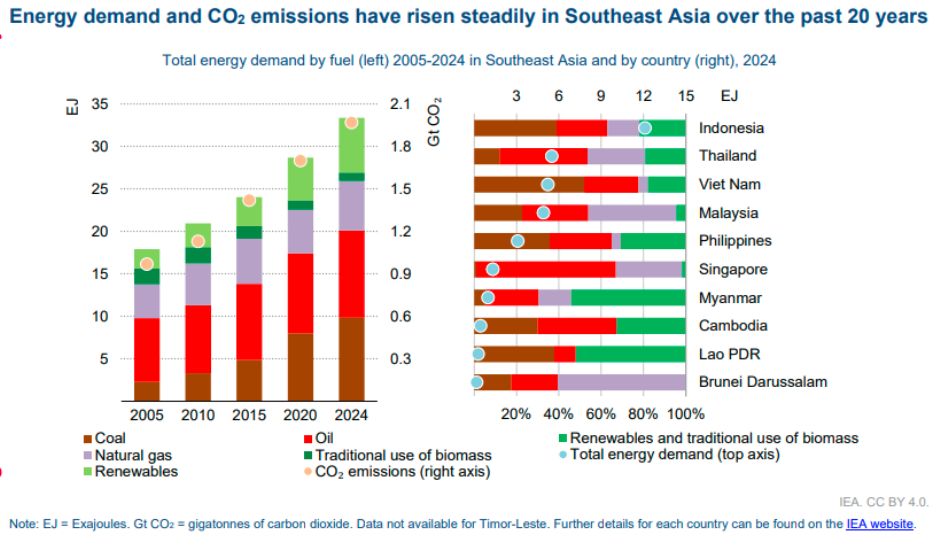
Southeast Asia, which accounts for 9 percent of the global population and 4 percent of world GDP, is expected to contribute nearly 20 percent of global energy demand growth by 2035. However, the region faces rising energy security concerns, with its fossil fuel import bill projected to surge from more than USD 80 billion in 2024 to around USD 245 billion by 2035 unless structural reforms accelerate.
The region’s renewable energy sector is expanding rapidly. Renewable energy capacity reached 120 GW in 2024 and is projected to nearly triple by 2035 under current policies or grow five-fold if national climate targets are fully achieved. Total energy investment in Southeast Asia exceeded USD 100 billion in 2025, including USD 17 billion in renewable energy projects, USD 12.4 billion in grid infrastructure, and more than USD 550 million in battery energy storage systems.
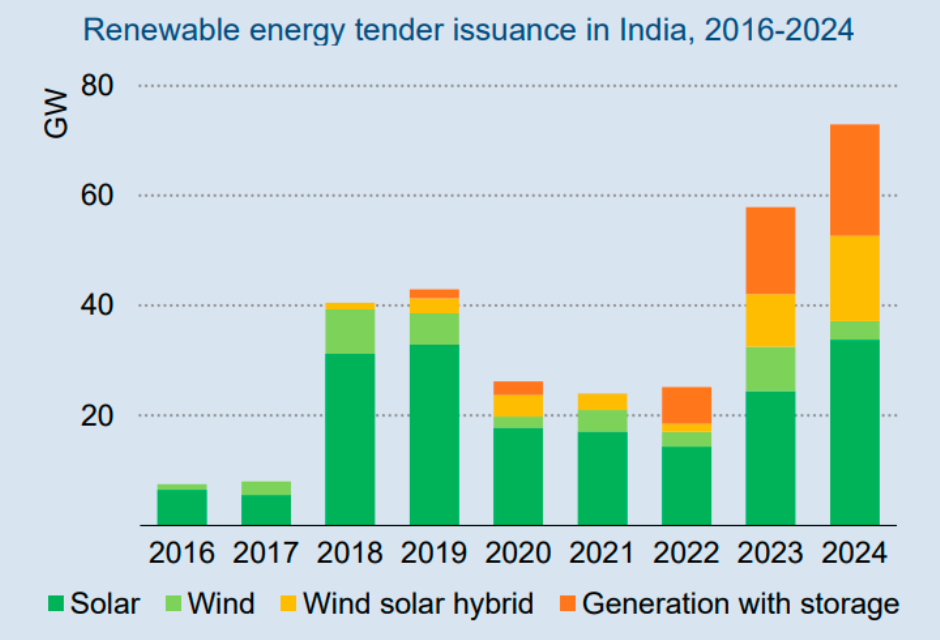
India’s growing influence in the region is rooted in its own renewable energy achievements. The country reached its target of 50 percent non-fossil fuel power generation capacity in 2025, five years ahead of schedule. Solar PV and wind power accounted for three-quarters of India’s new power capacity additions during the past five years, demonstrating the effectiveness of large-scale renewable energy deployment.

The IEA attributes India’s success to three strategic pillars: ambitious long-term targets, supportive policy frameworks, and strong institutional support. India’s commitment to achieve 500 GW of non-fossil power capacity by 2030 has created a clear roadmap for investors, developers, and equipment manufacturers.
Policy measures such as Renewable Purchase Obligations (RPOs) and Green Open Access Rules have expanded renewable energy demand across utilities, commercial enterprises, and industrial consumers. At the same time, the Production-Linked Incentive (PLI) scheme has strengthened domestic manufacturing of solar PV modules and wind turbines, supporting the growth of a competitive clean energy supply chain.
Institutions including the Solar Energy Corporation of India (SECI), NTPC, and the Indian Renewable Energy Development Agency (IREDA) have played a critical role by conducting large-scale renewable energy auctions and providing concessional financing, credit enhancement, and refinancing support. These initiatives have reduced project risks and unlocked significant investment flows into the renewable energy sector.
The IEA identifies India’s auction-based renewable energy procurement model as a benchmark for Southeast Asia. As ASEAN countries accelerate investments in renewable power, battery storage, electric vehicles, and grid infrastructure, India’s experience offers a proven pathway for scaling clean energy deployment while creating substantial export and investment opportunities for Indian technology providers.
Electric mobility is another area of opportunity. EV sales in Southeast Asia more than doubled in 2025 to around 500,000 units, accounting for nearly 20 percent of vehicle sales. Battery manufacturing capacity is expected to more than triple by 2030, while EV production capacity could expand more than tenfold. These developments open significant opportunities for Indian battery manufacturers, component suppliers, renewable energy developers, and technology companies seeking regional expansion.
With Southeast Asia accelerating its transition toward cleaner energy systems, India is increasingly positioned not only as a major renewable energy market but also as a strategic partner in shaping the region’s sustainable energy future.
BABURAJAN KIZHAKEDATH