


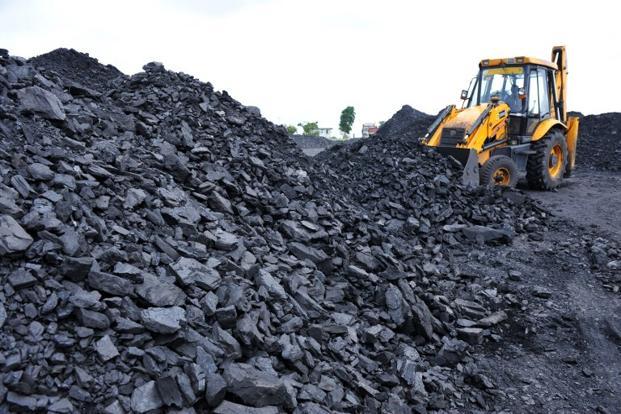
China’s coal-fired power generation declined 1.9 percent in 2025, marking a significant turning point in the country’s power sector as rapid growth in renewable and nuclear energy met rising electricity demand for the first time in a decade, according to Wood Mackenzie.
Clean energy meets rising electricity demand
China’s electricity demand increased 5 percent in 2025, equivalent to an additional 494 TWh. However, instead of relying on coal to meet the surge, the country satisfied the incremental demand entirely through carbon-free energy sources, reflecting accelerating progress in its energy transition.
Wood Mackenzie said the shift was driven by the massive expansion of renewable energy capacity, particularly wind and solar. Over the past decade, China’s wind and solar capacity has increased more than tenfold to 1,842 GW.
The economics of renewables have also improved dramatically. Since 2015, the levelized cost of energy for utility-scale solar and onshore wind has fallen by 77 percent and 73 percent, respectively, making renewables increasingly competitive with fossil fuels and triggering strong investment from developers and financial institutions.
Nuclear, hydro and transmission strengthen the power mix
China’s transition has not relied solely on renewables. Nuclear capacity expanded from 27 GW in 2015 to 62 GW in 2025. Combined nuclear and hydropower capacity now totals 445 GW, strengthening the country’s carbon-free generation base.
A key enabler of the transition has been large-scale investment in transmission infrastructure. China has deployed 340 GW of inter-regional transmission corridors to connect renewable resources in western and northern regions with major population and industrial centers in the east and south. This network helps deliver renewable power that would otherwise remain stranded in remote regions.
Coal plants shift toward grid flexibility
Coal is increasingly transitioning from baseload power generation to a grid balancing and reliability role. Coal plant utilization continues to decline, with capacity factors falling from 60 percent in 2011 to 52 percent in 2024 and 48.2 percent in 2025. Wood Mackenzie expects utilization to drop further to 32 percent by 2035 as parts of the fleet move into reserve status.
Approximately 600 GW of coal capacity has already undergone flexibility retrofits to support variable renewable generation, highlighting the sector’s evolving role in grid stability.
The decline in coal generation in 2025 suggests that China’s power sector carbon emissions may have peaked in 2024, a milestone that could have major implications for global climate goals. However, analysts caution that emissions may remain on an “undulating plateau” rather than entering a sustained decline in the near term.
AI and data centers could reshape power demand
Future electricity demand remains a major uncertainty. Rapid expansion of artificial intelligence and data centers could drive new demand spikes that challenge the pace of decarbonization.
Wood Mackenzie forecasts that China’s data center capacity will reach 78 GW by 2030, representing a 105 percent increase from 38 GW in 2024. Much of this growth will be concentrated in densely populated urban areas, where coal power may remain essential to ensure grid reliability.
Despite the uncertainties, the shift signals strong momentum behind China’s carbon peak target for 2030. Massive investments in renewable energy, nuclear power and transmission infrastructure are reshaping the country’s power mix and redefining the role of coal in the world’s largest electricity market.
BABURAJAN KIZHAKEDATH