


Today’s renewable energy news includes updates on EnBW, RWE, Tesvolt, among others.
EnBW Unveils 5.7-MWp Solar Farm with Battery Storage in Southern Germany
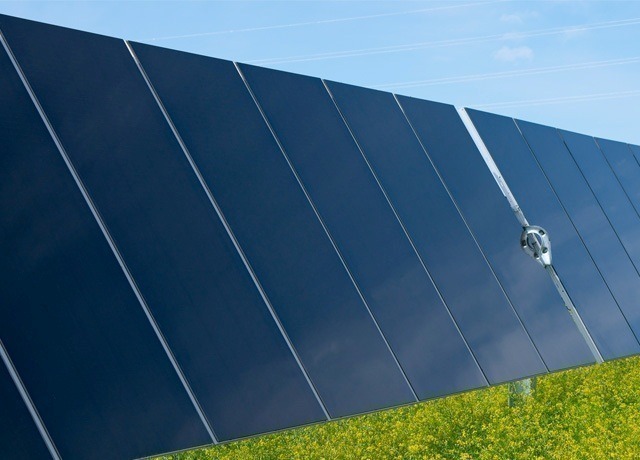
German utility EnBW has commissioned a 5.7-MWp solar photovoltaic plant combined with a battery energy storage system (BESS) in southern Germany, further expanding its renewable energy portfolio and supporting the country’s clean energy transition. The hybrid project combines solar generation with battery storage, enabling more efficient use of renewable electricity and enhancing grid flexibility. The battery system will store excess solar power generated during periods of strong sunlight and release it during times of higher demand or lower solar output. This helps improve grid stability, reduce renewable energy curtailment, and increase the reliability of clean energy supply. Hybrid solar-plus-storage projects are becoming increasingly important as Germany continues to expand renewable energy capacity and modernize its electricity network. The project forms part of EnBW’s broader strategy to accelerate renewable energy deployment and invest in flexible energy infrastructure. Beyond producing carbon-free electricity, the facility will contribute to Germany’s long-term decarbonization goals, strengthen energy security, and support the integration of larger volumes of renewable energy into the national grid. The development also highlights the growing role of battery storage in maximizing the value and effectiveness of solar power generation.
RWE Builds 15.8-MW Solar Farm Along German Motorway, Battery Storage to Follow
RWE has started construction of a 15.8-MW solar farm alongside the A44n motorway in Germany’s North Rhine-Westphalia region as part of its strategy to transform former mining areas into renewable energy hubs. The project is being developed on recultivated land at the Garzweiler open-cast mine and will form part of RWE’s growing portfolio of solar, wind, and energy storage assets in the region. The solar farm is expected to be complemented by a battery energy storage system (BESS) at a later stage, enabling the site to store excess renewable electricity and deliver it when demand is higher. The addition of battery storage will improve grid flexibility, enhance renewable energy integration, and increase the reliability of clean power supply. The project is part of RWE’s broader renewable energy expansion along the A44n corridor, where the company is developing large-scale solar and wind facilities on former mining land. Once completed, the development will contribute to Germany’s energy transition, strengthen energy security, reduce carbon emissions, and support long-term decarbonization goals while demonstrating how former industrial sites can be repurposed for sustainable energy generation.
Tesvolt Secures Building Permit for 60-MW Battery Project in Germany
German energy storage specialist Tesvolt Projects has received the building permit for a 60-MW battery energy storage system (BESS) in the state of Saxony-Anhalt, Germany, marking an important step toward project construction and deployment. The large-scale battery facility is designed to provide grid-balancing services, improve power system flexibility, and support the integration of increasing volumes of renewable energy into the German electricity network. Once operational, the battery project will store excess renewable electricity during periods of high generation and discharge it during peak demand, helping to reduce grid congestion, improve reliability, and minimize renewable energy curtailment. The development aligns with Germany’s accelerating investment in battery storage infrastructure as the country expands wind and solar power capacity and transitions away from fossil fuels. The project further strengthens Tesvolt’s growing presence in the utility-scale energy storage market and highlights the increasing role of battery systems in supporting grid stability, energy security, and renewable energy integration. The BESS will contribute to Germany’s long-term decarbonization goals while helping modernize the country’s electricity infrastructure and enhance the resilience of the power system.
FAHEEMA P