


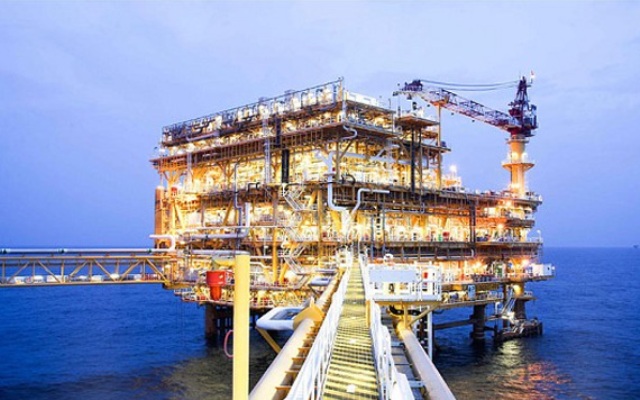
The Philippines’ ambitions to expand LNG-based power generation have suffered another major setback after the long-delayed 650 MW Pagbilao LNG-to-power project effectively collapsed, with its key gas turbines redirected to the United States instead of being installed domestically. The development highlights mounting challenges facing gas-fired power investments as renewable energy becomes increasingly attractive.
Energy World Corporation has sold two Siemens heavy-duty gas turbines and one steam turbine, originally procured for the Pagbilao project, to US-based Hallador Energy. According to analysis by the Institute for Energy Economics and Financial Analysis (IEEFA), the transaction reflects a broader global shift in energy investment, where scarce gas turbine supplies are being allocated to markets offering faster deployment and stronger financial returns.
The Pagbilao project was first announced in 2009, combining a 650-megawatt gas-fired power plant with an LNG import terminal. Despite more than 17 years of planning, financing efforts and project revisions, the development never reached commercial operation. Energy World Corporation ultimately recorded a US$285 million impairment, confirming the stranded asset status of the project after failing to secure long-term power purchase agreements and stable LNG supply arrangements.
IEEFA noted that the failure illustrates structural weaknesses affecting LNG developments in the Philippines, including financing challenges, volatile LNG prices, inadequate contractual certainty and extended project timelines that have reduced investor confidence in large fossil fuel infrastructure projects.
Another major obstacle is the tightening global market for gas turbines. Manufacturers including Siemens Energy, GE Vernova, and Mitsubishi Heavy Industries are operating with multi-year order backlogs, limiting equipment availability for new projects. With demand rising rapidly in markets such as the United States, available turbines are increasingly being directed toward projects with stronger revenue visibility and faster construction schedules.
The Philippines is now facing a broader slowdown in LNG development. According to IEEFA, more than 10 GW of proposed gas-fired generation capacity remains stalled in early development due to financing difficulties, rising capital costs, uncertain LNG supply chains and weak long-term power purchase agreements. Several LNG projects have already been cancelled or postponed indefinitely, reducing the likelihood of significant gas-fired capacity additions.
At the same time, renewable energy continues to strengthen its competitive position. Utility-scale solar projects can typically be commissioned in around one year, significantly faster than multi-year LNG developments that are further delayed by equipment shortages. Competitive renewable energy auctions and the increasing deployment of hybrid solar-plus-storage projects are also improving grid flexibility while lowering dependence on imported LNG.
IEEFA believes current market conditions make it unlikely that any new LNG-fired power plants in the Philippines will begin commercial operations before the end of the current decade. The collapse of the Pagbilao project therefore signals a broader structural transition in Southeast Asia’s energy sector, with renewable energy increasingly becoming the preferred destination for new investment due to lower costs, faster deployment and stronger long-term energy security.
SHAFANA FAZAL