


Nissan Motor’s third-quarter FY2025 results underline a company reshaping its future around electric mobility while executing a sweeping turnaround strategy. Under the Re:Nissan recovery plan, the automaker is combining aggressive cost reductions with renewed investment in electric vehicles, hybrids, and next-generation mobility technologies.
Nissan financial results show transition pressure during EV shift
Nissan reported consolidated net revenue of JP¥3.16 trillion for Q3 FY2025, up 1.6 percent year-over-year. Despite higher revenue, the company posted a net loss of JP¥14.1 billion compared with a profit of JP¥29.1 billion in the same quarter last year.
For the full fiscal year, Nissan revised its revenue forecast to JP¥11.7 trillion and expects to break even at the operating profit level. However, potential U.S. tariffs could lead to an operating loss of up to JP¥275 billion.
Nissan maintains strong liquidity of JP¥3.6 trillion, including JP¥2.2 trillion in gross cash, providing financial flexibility to fund its electrification strategy.
Affordable electric vehicles lead Nissan’s EV reboot
Electrification is central to Nissan’s turnaround. The company is recalibrating its EV strategy to match shifting global demand and regional regulations.
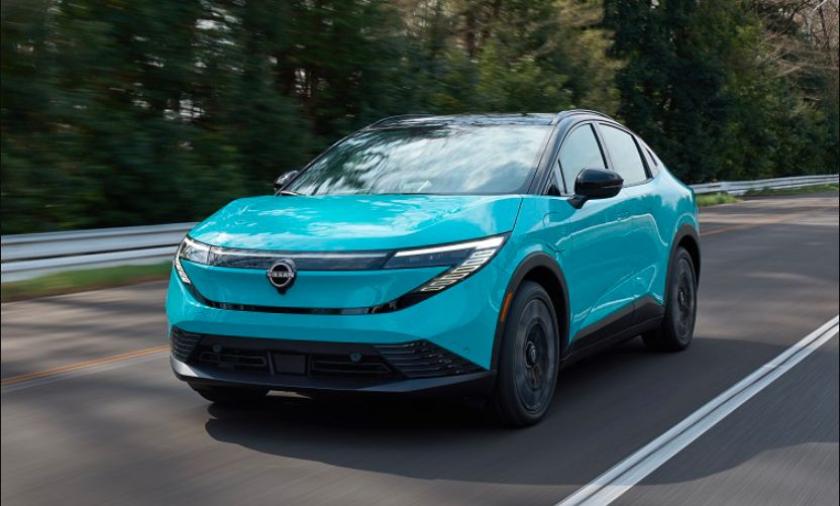
The biggest highlight is the third-generation Nissan LEAF, launched with a starting price below $30,000 in the U.S. market. Nissan is targeting the value EV segment to accelerate mass adoption and regain leadership in the electric vehicle space.
Key EV initiatives include:
Expansion of full battery electric models through FY2027
Accelerated rollout of e-POWER series-hybrid technology
Adjustments to EV and hybrid mix based on regional demand and policy changes
This flexible approach reflects Nissan’s strategy to balance full electrification with hybrid technologies as markets evolve.
Strategic investments in EV technology and manufacturing
Nissan is reshaping its investment strategy to support future mobility and advanced EV technologies.
A major step was the sale and leaseback of its Yokohama headquarters, with proceeds being redirected to:
Modernize manufacturing facilities
Accelerate R&D for next-generation EV platforms
Improve production efficiency and competitiveness
Engineering cost-per-hour has already improved by 12 percent, with a target of 20 percent as Nissan streamlines development and reduces complexity.
Re:Nissan recovery plan targets profitability through electrification
The Re:Nissan plan aims to restore sustainable profitability by FY2026 through aggressive cost reductions and strategic partnerships.
Cost-saving initiatives include:
Fixed cost reductions exceeding JP¥150 billion this fiscal year
A cumulative JP¥250 billion cost reduction target by FY2026
JP¥200 billion in variable cost savings from supply chain optimization and parts simplification
Nissan is also strengthening alliances and exploring deeper collaboration with Honda to scale software platforms and EV components.
Regional EV strategy focuses on U.S. and India growth
Nissan is tailoring its electrification strategy by region to maximize competitiveness.
In the United States, the company is prioritizing locally built models to reduce tariff risks and improve cost efficiency.
In India, Nissan is preparing a major product offensive with 12 new launches planned for 2026, including locally produced premium models to expand its presence in one of the world’s fastest-growing automotive markets.
Outlook: Nissan betting on EV affordability and partnerships
Nissan expects the Re:Nissan plan to deliver positive automotive operating profit and free cash flow by FY2026. The company’s EV strategy focuses on affordability, flexible electrification, and strategic alliances to regain market share.
With the new LEAF leading its electric lineup and continued investment in hybrid and EV technologies, Nissan is positioning itself to compete more effectively in the rapidly evolving global electric vehicle market.
BABURAJAN KIZHAKEDATH