


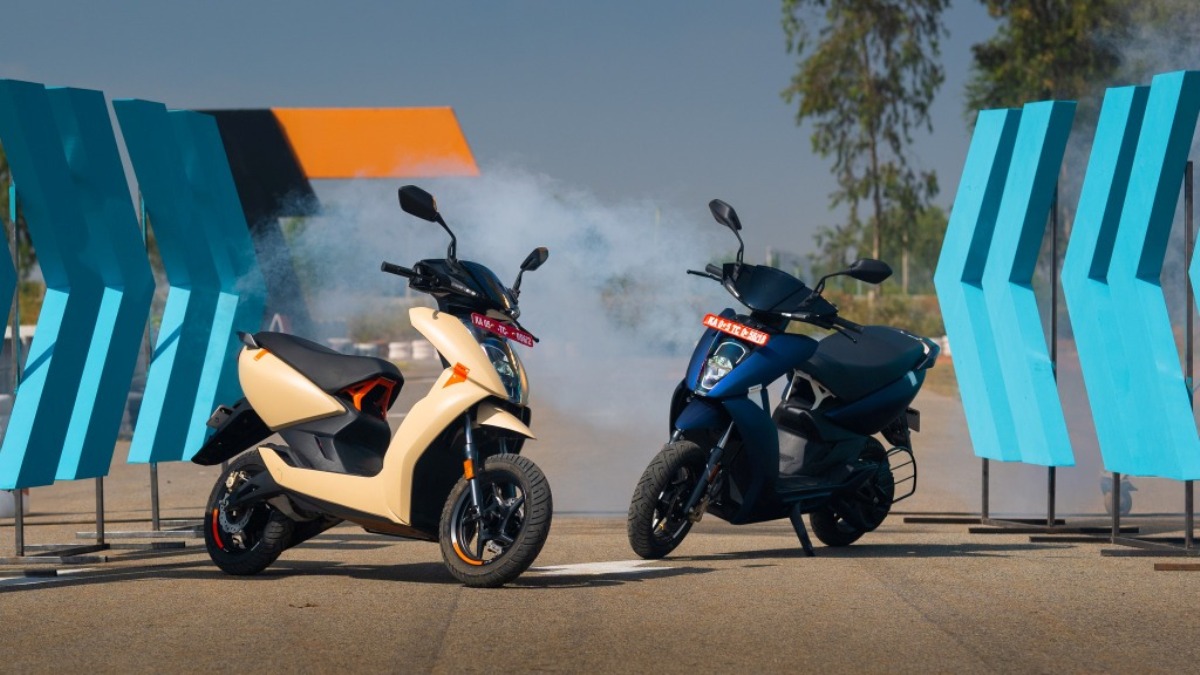
Ather Energy is strengthening its position in India’s electric two-wheeler market through new vehicle platforms, localized battery technology, and expanded manufacturing capacity. The company’s latest operational update highlights how Ather is focusing on scalable electric mobility, sustainable manufacturing, and domestic supply chains as it prepares for its next phase of growth.
Mass-Market Electric Scooters Drive EV Adoption
Ather’s strategy to expand beyond premium electric scooters is gaining traction with the strong adoption of the Rizta family scooter. Designed for the mass market, the Rizta model complements the company’s performance-focused 450X series and helps broaden its reach among urban commuters and families.
The company recorded strong sales momentum during the third quarter of fiscal year 2026, reflecting growing consumer acceptance of electric two-wheelers in India. Festive season demand played a role in boosting market share, while ongoing demand has remained resilient despite a post-festival slowdown in the broader market.
Ather continues to strengthen its national presence by expanding its retail and service ecosystem. The company plans to grow its network to 700 Experience Centres across India by the end of fiscal year 2026, improving customer access to test rides, service support, and charging infrastructure.
Localized Battery Development for Indian Conditions
Battery innovation remains central to Ather’s technology roadmap. The company has entered a strategic partnership with Amara Raja Advanced Cell Technologies to develop and supply domestically manufactured battery cells.
The collaboration focuses on producing both NMC (Nickel Manganese Cobalt) and LFP (Lithium Iron Phosphate) battery chemistries optimized for Indian weather conditions and usage patterns. By localizing cell production, Ather aims to reduce supply chain risks, improve cost efficiency, and accelerate the adoption of electric mobility in the country.
In addition to current battery technologies, Ather is researching the use of 4695 cylindrical battery cells. These larger-format cells offer significantly higher energy capacity compared with the 2170 cells used in many existing EV battery packs. The technology could simplify battery pack architecture while lowering production costs for the company’s upcoming electric vehicle platforms.
New Modular Platforms Under Development
Ather’s future product roadmap includes the development of new electric scooter platforms designed to support higher volumes and broader price segments.
The company is working on the modular EL platform, which will underpin upcoming models including the EL01 concept. The platform is designed to enable cost-effective manufacturing and scalable vehicle design, allowing Ather to introduce more affordable electric scooters for the Indian market.
Another upcoming platform, known internally as Zenith, is expected to incorporate next-generation battery technologies and improved energy efficiency. These platforms are part of Ather’s long-term strategy to expand its electric vehicle portfolio while maintaining strong performance and reliability.
Expanding Manufacturing Capacity in Maharashtra
To support its growing product lineup, Ather is building a large-scale manufacturing facility in Chhatrapati Sambhajinagar, Maharashtra. The new facility, commonly referred to as Factory 3.0, will significantly increase the company’s production capacity once operational.
The plant is designed to produce up to 1.42 million electric vehicles annually, making it one of the largest electric two-wheeler manufacturing facilities in India. Commercial operations are currently expected to begin in October 2026 following the completion of regulatory and environmental approvals.
The facility will play a critical role in supporting the launch of the EL01 scooter and other future models built on Ather’s modular platforms.
Sustainability Goals and Renewable Energy Strategy
Sustainability remains a key pillar of Ather’s long-term roadmap. The company has set a target to source 80 percent of its operational electricity from renewable energy by 2030.
At its manufacturing facilities in Hosur, Tamil Nadu, Ather already relies heavily on solar energy as part of its electricity mix. The company has also implemented water conservation measures, achieving an 84 percent water recycling rate in its operations.
The environmental benefits of Ather’s electric vehicle fleet are also growing alongside its sales. According to company estimates, Ather scooters have collectively helped avoid more than 30 metric tons of carbon dioxide emissions compared with equivalent internal combustion engine vehicles.
Strengthening India’s Electric Mobility Ecosystem
Ather’s combination of domestic battery development, scalable manufacturing, and expanded retail infrastructure reflects a broader effort to strengthen India’s electric mobility ecosystem.
By investing in localized supply chains, new EV platforms, and renewable-powered manufacturing, Ather Energy is positioning itself to support the next wave of electric two-wheeler adoption across India while reducing the environmental impact of urban transportation.
FASNA SHABEER