


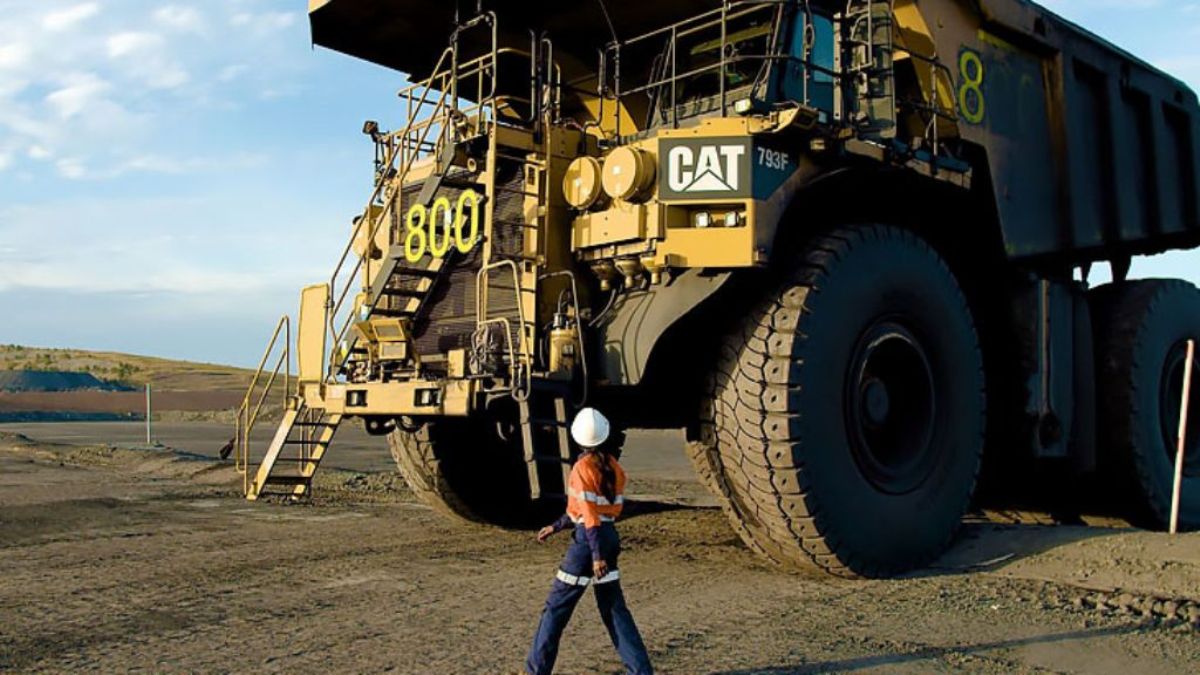
A proposal by Glencore to extend the operational life of the Hail Creek Coal Mine is facing increasing scrutiny from climate analysts due to its high methane emissions and the absence of a robust mitigation strategy.
A February 2026 briefing from the Institute for Energy Economics and Financial Analysis (IEEFA) highlights that Hail Creek Coal Mine is currently the most methane emissions intensive open cut coal operation in Australia, raising concerns about environmental impact and long term financial exposure.
Australia’s Most Methane Intensive Open Cut Coal Operation
According to IEEFA, methane intensity at the Hail Creek mine is unusually high for an open cut coal project and is comparable to levels typically seen in underground coal mines. These underground operations generally release significantly more methane than surface mines.
The Hail Creek facility produces approximately 1.4 million tonnes of direct Scope 1 greenhouse gas emissions annually, largely due to methane released during coal extraction. Research supported by the United Nations Environment Programme (UNEP) suggests that actual methane emissions at the site could be three to eight times higher than earlier estimates calculated using simplified industry methods.
In the 2023 – 2024 financial year, the mine’s reported methane intensity increased threefold after adopting a more accurate emissions measurement framework. Despite the improved reporting, analysts say the project still lacks a clear commitment to structural methane abatement technologies that could significantly reduce emissions.
Rising Compliance Costs Under Australia’s Carbon Policy
The absence of a comprehensive emissions reduction plan may expose the project to growing financial risks under Australia’s emissions regulations. The country’s Safeguard Mechanism requires large industrial facilities to progressively reduce greenhouse gas emissions, with facility baselines declining by 4.9 percent each year.
Under this framework, operators must either reduce emissions or purchase carbon offsets. IEEFA estimates that the Hail Creek mine surrendered about 192,000 carbon credits in 2024. If the mine extension proceeds, offset requirements could rise substantially.
Over the remaining 13 years of potential operations, the mine may need to purchase approximately 6.4 million credits. By 2030, up to 94 percent of the site’s emissions could require offsetting, exposing the operator to price volatility in the Australian Carbon Credit Unit (ACCU) market.
Methane Capture Technology Could Reduce Emissions
Energy analysts argue that methane management at Hail Creek is technically feasible because of the high gas content within its coal seams. IEEFA notes that the project is well suited for gas pre-drainage, a process that captures methane before mining begins.
Captured gas could be used to generate electricity onsite or transported through domestic pipelines, helping reduce emissions while also producing an additional energy resource. However, the mine’s current Draft Greenhouse Gas Abatement Plan reportedly focuses mainly on incremental operational improvements rather than investing in methane drainage infrastructure capable of delivering significant emissions reductions.
Environmental and Biodiversity Concerns
The proposed Eastern Margin Extension has also raised environmental concerns related to habitat destruction. The Queensland Government recently approved the clearing of around 600 hectares of nationally significant koala habitat to support the expansion.
The extension would enlarge three existing pits and add a new pit in the Homevale mining area. The surrounding ecosystem supports several threatened species, including the Greater Glider and the Ornamental Snake, making biodiversity protection a key issue for regulators and environmental groups.
Coal Industry Players Navigate Strategic and Financial Pressures
The debate surrounding Hail Creek comes as several major coal producers in Australia face changing market conditions and capital allocation pressures.
Whitehaven Coal reported strong half year FY26 results in February 2026, with coal production rising 21 percent to 11 million tonnes in the second quarter. The company is implementing a $60 million to $80 million cost saving program and exploring refinancing options for its $1.1 billion acquisition facility tied to the integration of the Daunia and Blackwater mines.
Meanwhile, the BHP Mitsubishi Alliance has taken a more cautious approach. The joint venture, formed by BHP and Mitsubishi Corporation, reported $1.67 billion in revenue for the half year ending December 2025 but generated no profit during that period. As a result, BHP has mothballed the Saraji South mine and cancelled plans for the Saraji East project.
Yancoal Australia has upgraded its 2026 production guidance to between 36.5 million and 40.5 million tonnes after a record performance in 2025. The company is focusing on brownfield investments to extend mine life and optimize existing operations rather than launching large greenfield developments.
At the same time, Peabody Energy has restarted longwall production at its Centurion coking coal mine, targeting output of about 3.5 million tonnes in 2026 following an eight year production pause.
Calls for Stricter Oversight
IEEFA and other environmental organizations are calling on the Australian Government to impose stricter conditions before approving the Hail Creek extension. Recommendations include mandatory methane drainage systems and improved emissions monitoring to ensure transparency.
Such measures are considered critical for ensuring that the project does not undermine Queensland’s legislated goal of cutting greenhouse gas emissions by 75 percent by 2035.
The controversy surrounding the Hail Creek proposal illustrates the growing scrutiny faced by high emissions coal operations as governments, investors, and regulators attempt to align fossil fuel production with climate commitments.
FASNA SHABEER